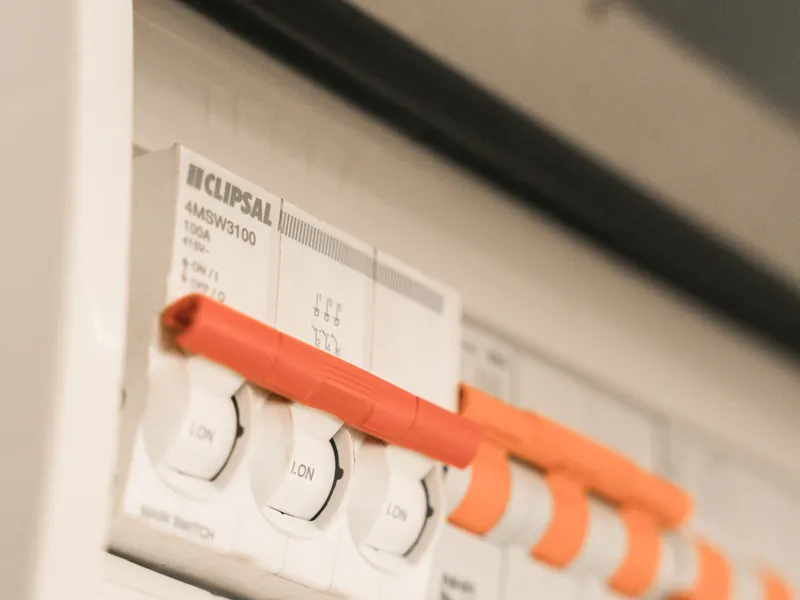
If you live in Green Country, you know the drill. Spring brings thunderstorms, hail, straight-line winds and tornado warnings. Summer adds pop-up lightning storms. Winter can deliver ice storms that coat power lines and bring down tree limbs across Tulsa and Rogers County. Every one of those events puts stress on your home’s electrical system and can create hazards that last long after the skies clear.
This checklist covers what to do before, during and after a storm to protect your family, your home and your electronics, plus the warning signs that mean you need an electrician rather than just a reset.
Why Storms Are Hard on Electrical Systems
Storms threaten your electrical system in several ways. Lightning can send massive voltage surges through power lines, cable and phone lines, and even the ground. Wind and ice can pull the service drop (the overhead line from the utility pole) away from your house, damaging the mast and meter base. Flooding and wind-driven rain can push water into outdoor outlets, light fixtures, and in some cases the panel itself. And when power returns after an outage, the sudden rush of current can stress motors and electronics.
Most of these hazards are preventable, or at least manageable, with some preparation.
Before the Storm: Preparation Checklist
Protect Against Power Surges
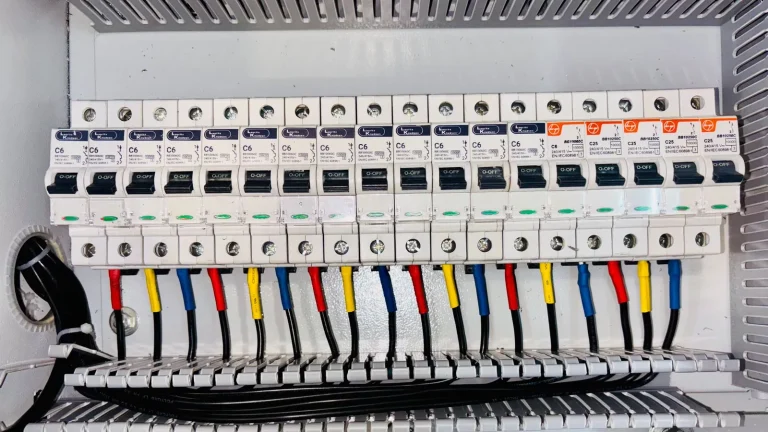
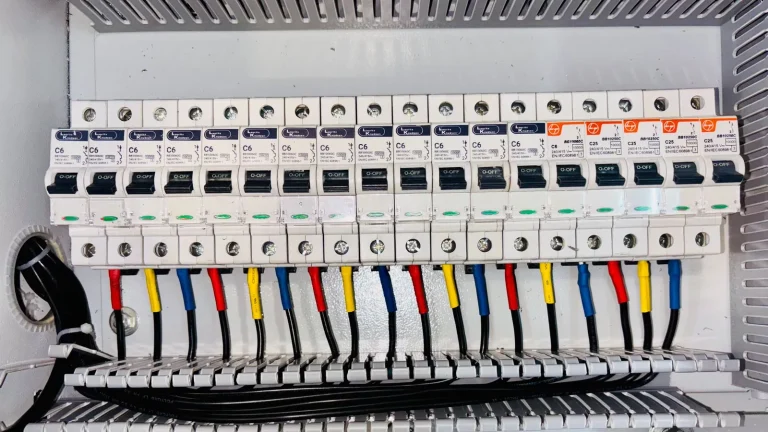
Plug-in surge protector strips are a good last line of defense for TVs, computers and gaming systems, but they don’t protect hardwired equipment like your HVAC system, water heater, range, or the circuit boards inside modern appliances. A whole-home surge protector installed at your electrical panel stops large surges before they reach your branch circuits. Pairing it with point-of-use strips gives you layered protection.
Test Your GFCI Outlets
Press the TEST and RESET buttons on GFCI outlets in your bathrooms, kitchen, garage and outdoors. If one won’t trip or won’t reset, replace it before storm season. Outdoor GFCIs are your main protection against shock around wet surfaces.
Check Outdoor Electrical Equipment
Walk around your home and look at outdoor outlets, covers, light fixtures and the meter base. Make sure “in-use” covers close properly, fixtures are sealed, and there are no cracked boxes or exposed wires. Look up at the service drop and mast. If they’re leaning or pulled away from the house, have them checked.
Trim Trees Near Power Lines
Overhanging branches are the most common cause of storm-related service damage. You can trim branches near the line to your house from a safe distance. Anything touching or near utility lines on the pole side is PSO’s responsibility, so contact them rather than doing it yourself.
Plan for Power Outages
Think about what in your home can’t go without power: a sump pump, a well pump, a refrigerator full of food, medical equipment like oxygen concentrators, or a home office. If an outage of several hours or days would be a serious problem, now is the time to look into a whole-home standby generator or a safe inlet setup for a portable one. Keep flashlights, fresh batteries and a battery-powered weather radio where you can find them in the dark.
During the Storm: Staying Safe
- Unplug sensitive electronics if lightning is close and you don’t have surge protection.
- Stay off corded phones and away from plumbing during lightning, since both can conduct surges.
- Never run a portable generator indoors, in an attached garage, or near open windows. Carbon monoxide is odorless and deadly.
- Never plug a generator into a wall outlet. This “backfeeding” can send power out onto utility lines and electrocute line workers restoring service.
- Stay out of flooded basements or rooms where water may be in contact with outlets, cords or appliances.
- Turn off major appliances if the power goes out, so they aren’t all hit by the startup surge when service returns.
After the Storm: What to Check
Stay Away From Downed Lines
Treat every downed line as live. Stay at least 35 feet away, keep children and pets back, and report it to PSO and 911. Don’t try to move limbs that are touching lines.
Watch for Partial Power or Flickering
If half your house has power and half doesn’t, or lights are unusually bright and dim throughout the home, you may have a damaged neutral connection at the service or meter. It’s a serious condition that can destroy appliances and create a fire hazard. Turn off sensitive equipment and call for help right away.
Inspect for Water Damage
If floodwater or rain reached outlets, the panel, a water heater or HVAC equipment, don’t turn those circuits back on until they’ve been inspected. Water-exposed breakers, outlets and wiring often need to be replaced, not just dried out.
Check the Meter Base and Mast
If wind or a fallen limb pulled the mast or meter base away from your home, PSO typically won’t reconnect service until a licensed electrician repairs the customer-owned equipment. Schedule that repair as soon as possible to get your power back.
Reset Carefully
If breakers tripped during the storm, reset them one at a time. A breaker that trips again immediately is telling you something is damaged.
Storm Damage Warning Signs
- Burning smells from outlets, the panel or appliances
- Sparks, buzzing or crackling sounds
- Outlets or switches that are warm to the touch
- Partial power, flickering, or unusually bright lights
- Damaged, leaning or pulled-away service mast or meter
- Appliances or electronics that died at the same time
Any of these deserves a professional look. Our team provides storm damage electrical repair across Owasso, from quick surge-damage fixes to rebuilding a torn-off service mast.
Long-Term Storm Readiness
Storm season comes back every year, so it pays to invest once in the right equipment. A whole-home surge protector, a standby generator or properly installed generator inlet, weather-rated outdoor outlets and fixtures, and a panel in good condition make your home far more resilient. If you’re still deciding on backup power, our guide to standby vs. portable generators walks through the pros and cons.
Most importantly, have a plan and know who to call. If you need help getting your home storm-ready, or you’re dealing with damage after the weather passes, contact your local electrical contractor in Owasso, OK.