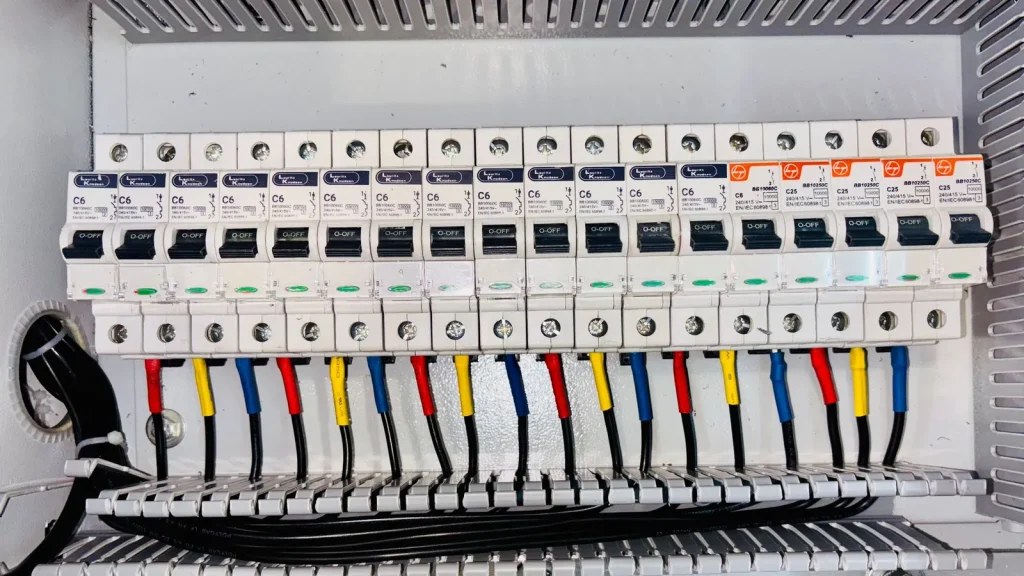
Your electrical panel, also called a breaker box or load center, is the heart of your home’s electrical system. Every watt that powers your lights, HVAC, kitchen appliances and chargers passes through it. Yet most homeowners never think about the panel until something goes wrong.
Many Owasso homes built in the 1970s, 80s and early 90s are still running on their original panels. Those panels were designed for households with far fewer electrical demands than today’s. Here are seven signs yours may be due for an upgrade, followed by what the upgrade process actually involves.
1. Your Home Has 100-Amp Service or Less
Service size, measured in amps, is how much power your home can draw from the utility at once. A few decades ago, 60- or 100-amp service was common and usually enough. Today’s homes often have central air, electric ranges and dryers, a second refrigerator, a hot tub, a workshop, and increasingly one or two electric vehicles. That adds up quickly.
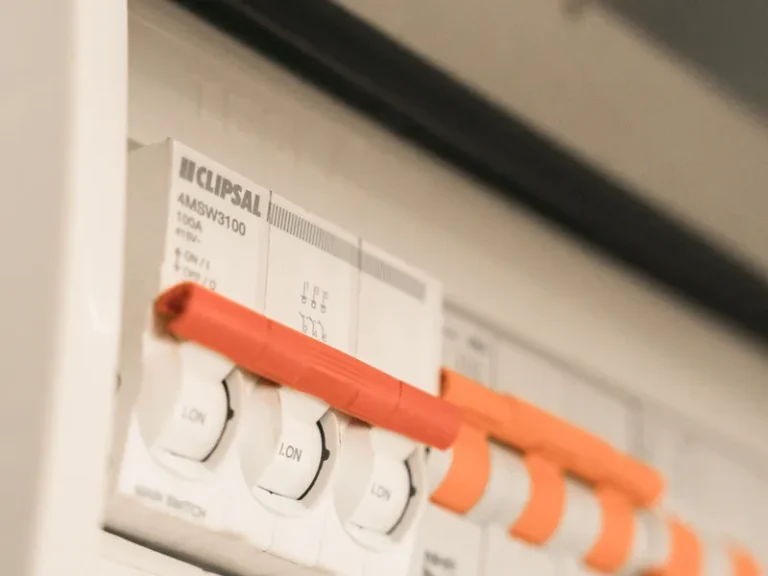
Most new homes are built with 200-amp service, and it’s become the practical standard for an upgrade. Look at the main breaker at the top of your panel. The number printed on it tells you your service size.
2. You Have a Federal Pacific, Zinsco or Fuse Panel
Some panel brands have well-documented safety concerns. Federal Pacific Electric (FPE) Stab-Lok breakers have been widely reported to fail to trip during overloads and short circuits. Zinsco and Sylvania-Zinsco panels have a history of breakers melting to the bus bar. Older fuse boxes can work if properly maintained, but they’re often overfused with the wrong-size fuses and can’t support modern loads.
Beyond safety, these panels can cause practical problems. Many insurance companies and home inspectors flag them, and some insurers won’t write or renew a policy until they’re replaced.
3. Breakers Trip Frequently
An occasional trip isn’t cause for alarm. But if breakers trip regularly during normal use, like running the microwave and toaster together or when the AC kicks on, your circuits may be overloaded or the breakers may be worn out. Before assuming the worst, it helps to understand the common causes. Our guide on why a breaker keeps tripping explains what’s normal and what isn’t.
4. Lights Dim or Flicker When Appliances Start
A brief dip when a large motor starts can be normal. Noticeable dimming whenever the AC, dryer or microwave turns on, or flickering throughout the house, suggests your service is struggling to keep up, or points to a loose connection somewhere in the system. Both deserve a professional look.
5. The Panel Is Warm, Buzzing, Rusty or Scorched
Your panel should be cool to the touch and silent. Warning signs include:
- Heat coming off the panel cover or breakers
- Buzzing, humming or crackling sounds
- Rust or corrosion, often from moisture in a garage or exterior wall
- Scorch marks, melted plastic or a burning smell
These point to failing breakers, loose connections or arcing, and they can precede a fire. Don’t wait on these.
6. You’ve Run Out of Breaker Spaces
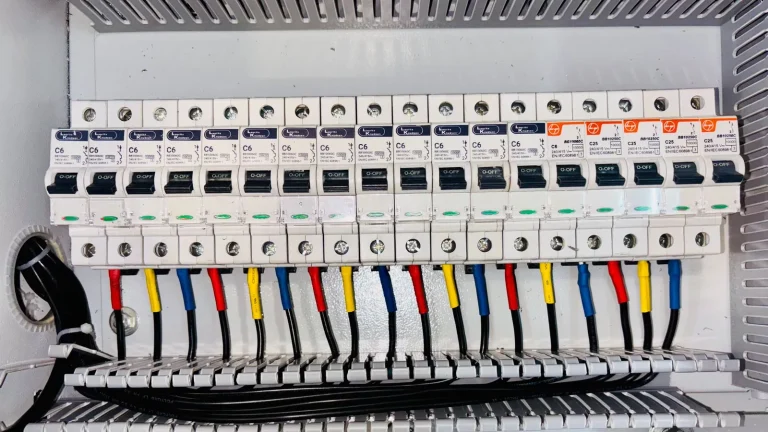
Open your panel door and look. If every slot is full, you may see “tandem” or “cheater” breakers squeezed in, or two wires connected to a single breaker (“double-tapping”), which most breakers aren’t designed for. Those are signs the panel has been pushed past its original design. A full panel also means you can’t add the circuits you need for a remodel, addition or new appliance.
7. You’re Adding Major New Loads
Planning a kitchen remodel, finishing a basement or garage, adding a pool or hot tub, installing a heat pump, or buying an electric vehicle? Big new loads often need more capacity. A Level 2 EV charger installation alone typically needs a 40- to 60-amp circuit, which many older panels simply can’t accommodate.
What a Panel Upgrade Involves
A professional panel upgrade usually follows these steps:
- Load calculation. The electrician adds up your current and planned electrical loads to size the new service correctly, usually 200 amps for most homes.
- Permit. Panel replacements require an electrical permit. In Owasso, your electrician pulls it through the city.
- Utility coordination. PSO disconnects power at the meter so the work can be done safely, then reconnects it after inspection or approval.
- Installation. The old panel is removed and a new panel and main breaker are installed. Circuits are moved over and labeled, and AFCI or GFCI protection is added where code requires. The meter base or service mast may be upgraded too.
- Inspection. A city inspector verifies the work meets code.
Most residential panel upgrades are completed in a single day, with power off for part of that time.
Upgrade Options: Full Upgrade, Replacement or Subpanel
Not every situation calls for the same solution. If your service size is adequate but the panel itself is a problem brand or damaged, a same-size replacement may be enough. If you’re only short on breaker spaces but have plenty of capacity, a subpanel in the garage or a new addition can work. And if you’re adding significant load, a full service upgrade to 200 amps is usually the right long-term answer. A load calculation takes the guesswork out of the decision.
Benefits of Upgrading
- Safety: modern breakers, proper grounding, and AFCI/GFCI protection
- Capacity: room for EVs, HVAC upgrades, hot tubs and future remodels
- Insurance and resale: removes a common red flag for insurers and buyers
- Reliability: fewer nuisance trips and less strain on appliances
How Long Does an Electrical Panel Last?
A quality panel installed and maintained correctly can last 25 to 40 years, sometimes longer. Lifespan depends on the brand, how heavily the panel has been loaded, and the environment it lives in. Panels in damp garages or on exterior walls exposed to Oklahoma humidity and temperature swings often show corrosion sooner. Individual breakers wear out too, especially ones that have tripped many times. If your panel is original to a home built before the mid-1990s, it’s worth having a licensed electrician open it and check connections, breaker condition and signs of heat, even if you haven’t noticed any problems. A routine check costs far less than repairing heat damage after a failure, and it gives you time to plan and budget for an upgrade on your own schedule instead of in a hurry.
Get an Expert Opinion
If one or more of these signs sounds familiar, have your panel evaluated before a small problem becomes a costly one. We handle every step of a 200-amp panel upgrade, from the load calculation and permit to PSO coordination and final inspection. If you’re not sure where to start, a licensed electrician in Owasso, OK can take a look and give you honest options, with a flat-rate price.