Electric vehicles are showing up in more and more Owasso driveways, from Teslas and Mustang Mach-Es in Stone Canyon to Chevy Bolts and Rivians in Bailey Ranch. Most new EV owners quickly learn the same lesson: charging from a regular wall outlet is painfully slow. A Level 2 home charger fixes that. It turns overnight charging into a full battery every morning.
Before you buy a charger, it helps to understand how home charging works, what your electrical system needs to support it, and how installation actually happens. This guide covers all of it.
Level 1 vs. Level 2 Charging
Level 1 charging uses a standard 120-volt household outlet and the cord that comes with most EVs. It typically adds about 3 to 5 miles of range per hour. If you drive very little, that might be enough. For most commuters, it isn’t. A long day of driving can take more than a full night to replace.
Level 2 charging uses a 240-volt circuit, like the ones that power an electric dryer or range. Depending on the charger and your vehicle, it adds roughly 20 to 40 miles of range per hour, enough to fully recharge most EVs overnight. It’s the most practical option for home charging and what most manufacturers recommend.
Level 3 (DC fast charging) is what you find at highway charging stations. It requires commercial three-phase power and isn’t an option for homes.
How Much Power Does a Level 2 Charger Need?
Level 2 chargers are rated by their charging current, commonly 32, 40 or 48 amps. The electrical code requires the circuit to be sized at 125% of the charger’s continuous load, so:
- A 32-amp charger needs a 40-amp circuit
- A 40-amp charger needs a 50-amp circuit
- A 48-amp charger needs a 60-amp circuit
Keep in mind that your car also has an onboard charger with its own maximum rate. There’s no benefit to installing a 48-amp charger if your vehicle can only accept 32 amps, though some owners install extra capacity with a future vehicle in mind.
Can Your Electrical Panel Handle It?
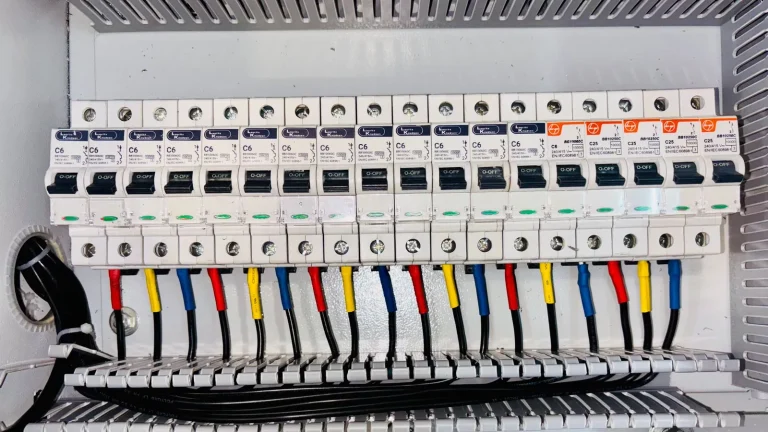
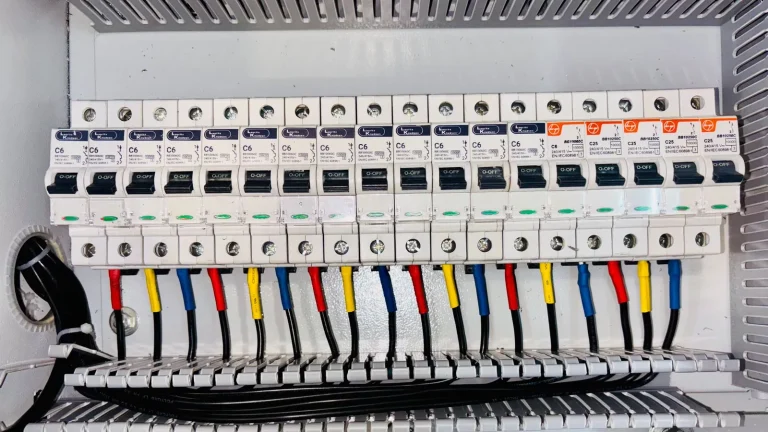
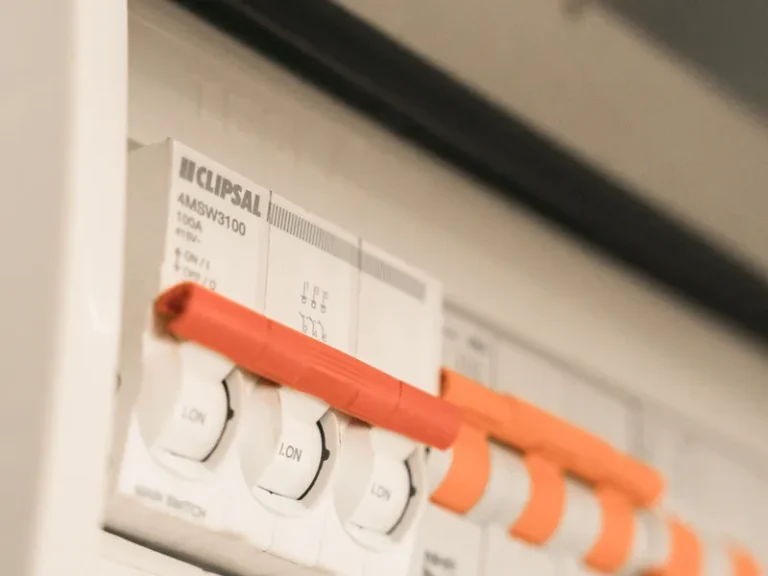
This is the most important question, and it’s where many installs get complicated. An EV charger is one of the largest continuous loads in a home. It can run at full power for hours at a time, often overnight when your HVAC and water heater may also be running.
Many newer Owasso homes have 200-amp service and enough capacity for a Level 2 charger. Older homes with 100-amp service often don’t. The only way to know for sure is a load calculation, which adds up your home’s existing and planned loads to see how much capacity remains.
If your panel is short on capacity or out of breaker spaces, the usual options are:
- A lower-amperage charger that still charges overnight but draws less
- A load-management device that automatically reduces charging when other big loads are running
- A subpanel if capacity is fine but spaces are full
- An electrical panel upgrade to 200 amps when capacity simply isn’t there
Hardwired Charger vs. NEMA 14-50 Outlet
There are two common ways to set up Level 2 charging at home.
Hardwired Charger
A hardwired charger is permanently connected to its circuit. Advantages include:
- Supports higher charging currents, up to 48 amps on a 60-amp circuit
- No plug or receptacle to wear out or overheat with daily use
- Better weather resistance for outdoor installs
- Required by some manufacturers for maximum charging speed
NEMA 14-50 Outlet
A NEMA 14-50 is a heavy-duty 240-volt outlet (the same type used for RVs) that a plug-in charger or mobile connector plugs into. Advantages include flexibility to swap chargers or take one with you when you move. The trade-off is that plug-in charging is limited to 40 amps, and the outlet must be high quality and installed correctly. Cheap receptacles under heavy continuous loads are a known source of overheating. Current code also generally requires GFCI protection for these outlets in garages and outdoors.
Choosing a Charger
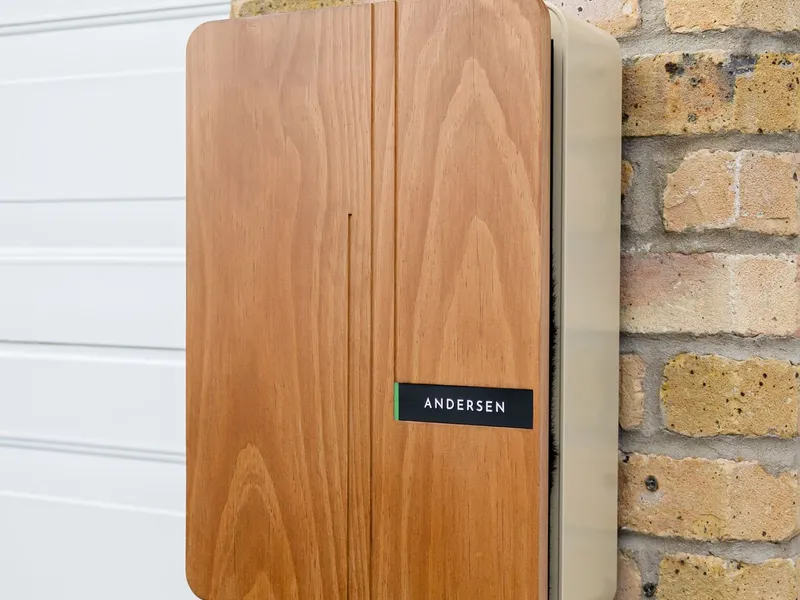
Popular home chargers include the Tesla Wall Connector (which works with non-Tesla vehicles in its universal version), ChargePoint Home Flex, Emporia, Grizzl-E, Wallbox and JuiceBox. When comparing, look for:
- A UL or ETL safety listing
- An amperage setting that matches your circuit and car
- Cable length long enough to reach your charge port comfortably (18–25 feet is common)
- An indoor/outdoor rating (NEMA 3R or 4) if it will be exposed to weather
- Wi-Fi scheduling if you want to track energy or charge at specific times
Picking the Right Location
Most Owasso homeowners install their charger in the garage, on the wall nearest where the charge port sits when parked. Things to think about:
- Distance from the panel. Longer runs mean more wire and higher cost.
- Which side of the car the charge port is on, now and on future vehicles.
- Keeping the cable out of walkways and away from garage door tracks.
- For outdoor installs, protection from sprinklers, snow and physical damage.
Permits and Inspections
Installing a new 240-volt circuit for an EV charger requires an electrical permit. The permit and inspection confirm that wire size, breaker, grounding and GFCI protection are correct, which matters for a load that runs for hours every night. A licensed electrician pulls the permit and schedules the inspection. For a broader look at which projects need one, see our guide to electrical permits in Owasso.
What Installation Day Looks Like
- The electrician confirms the load calculation and charger location.
- A new breaker is installed in the panel.
- Wire is run to the charger location, through the attic, walls or conduit.
- The charger or NEMA 14-50 outlet is mounted and connected.
- The circuit is tested, the charger is configured for the correct amperage, and a test charge is run.
A straightforward garage install usually takes a few hours. Longer runs, outdoor installs or panel work add time.
Charging Tips for Oklahoma EV Owners
- Schedule charging overnight, when household demand is lower.
- In summer heat and winter cold, precondition the battery while plugged in to save range.
- For daily driving, many manufacturers recommend charging to 80–90% to support long-term battery health.
- Consider whole-home surge protection. EVs and chargers contain sensitive electronics.
Ready to Charge at Home?
A properly installed Level 2 charger is one of the best upgrades an EV owner can make. We handle every step of EV charger installation in Owasso, from checking your panel to pulling the permit and testing the finished install. Contact our Owasso electrical company for a flat-rate quote.